
Sweeteners Disrupt Insulin Secretion, Warns Dr Shaifali Bansal
Sweeteners Disrupt Insulin Secretion, Warns Dr Shaifali Bansal
UPDATED: Jun 24, 2026, 4:55:36 PM
Highlights
Sweeteners Disrupt Insulin Secretion, Warns Dr Shaifali Bansal
Relying on non-caloric sugar substitutes for diabetes control or weight management creates a significant practice gap in cardiometabolic care. Many patients adopt these sweet alternatives assuming they are completely metabolically inert.
High clinical urgency stems from accumulating physiological data showing that these widely used sugar alternatives are not inert substances but active chemicals that reprogram internal metabolic systems and directly drive long-term obesity.
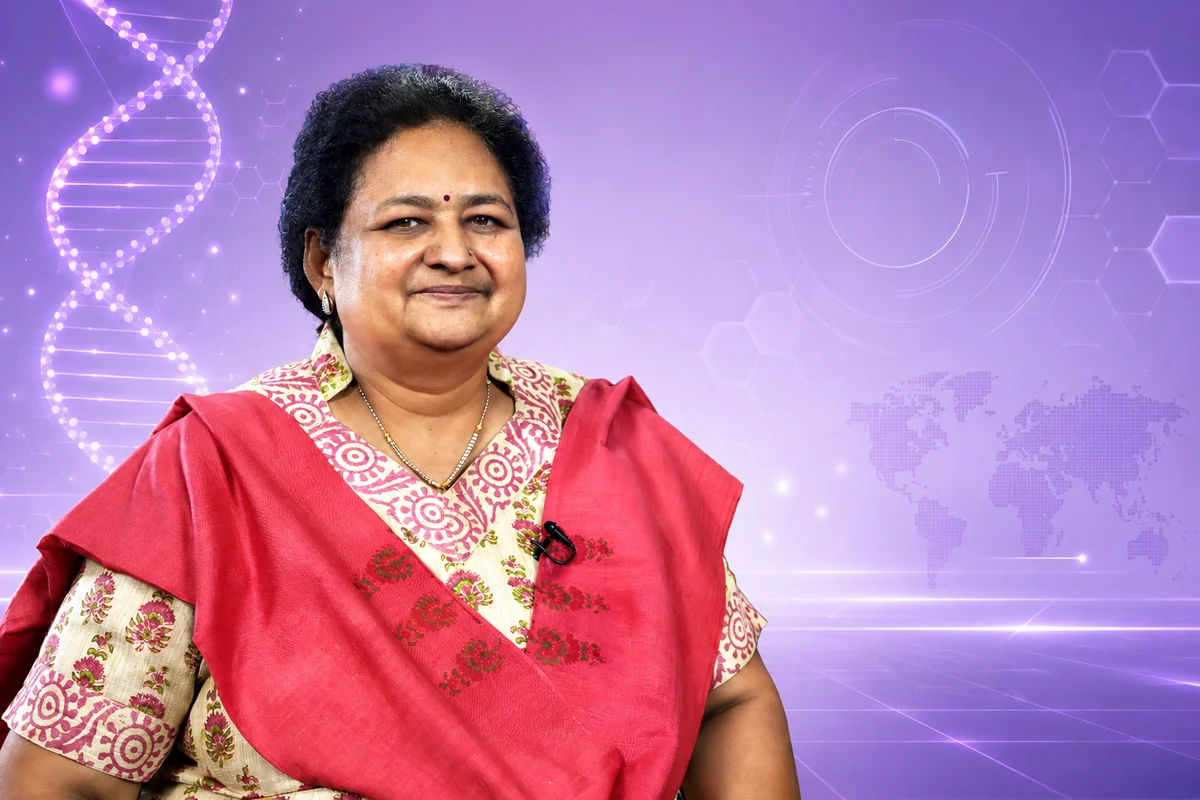
In an interview at TheRightDoctors studio at the 4th World Congress on Cardio-Kidney-Metabolic Medicine (WCCKMM 2026) at the Leela, Mumbai, Dr Rahul Agrawal, HOD & Clinical Director, Care Hospital , spoke with Dr Shaifali Bansal, Professor, People’s College of Medical Sciences & Research Centre, on sweeteners.
Dr Rahul Agrawal asked Dr Shaifali Bansal whether these non-caloric substitutes represent a true clinical boon for patients with diabetes or if the widespread adoption is simply a commercial fad.
Responding to Dr Rahul Agrawal, Dr Shaifali Bansal noted that while regulatory bodies set acceptable daily intake limits, clinicians must recognize that these established commercial thresholds do not automatically equate to long-term safety.
Illustrating the massive scale of this public health issue, Dr Shaifali Bansal stated that over 6,000 million individuals globally consume these chemicals, commonly replacing normal sugar with diet beverages under a false impression of systemic safety.
Detailing the precise pathophysiological pathway, the speaker explained to Dr Rahul Agrawal that when the brain perceives extreme sweetness, it anticipates incoming calories and immediately initiates an uncompensated cephalic phase of insulin release. Because no nutritional calories follow this surge, a severe appetite paradox occurs.
Dr Shaifali Bansal clarified that this mismatch induces total metabolic disruption, shifting the human system toward progressive weight gain and obesity.
When Dr Rahul Agrawal requested published evidence on these risks, Dr Shaifali Bansal highlighted a recent study published on April 12 in Frontiers, which evaluated the direct genetic and functional effects of these active substances on gut microbiota.
The findings were concerning, as Dr Shaifali Bansal revealed that the induced disruptions in the gut microbiome were not isolated to a single cohort but were actively passed down through three successive generations of animal models in the study.
Based on these insights, Dr Shaifali Bansal strongly advised healthcare providers that patient consumption should be strictly limited to short periods, urging a clinical shift away from artificial alternatives toward genuinely healthier choices.
This leaves an unresolved clinical query highlighted by the dialogue. Dr Rahul Agrawal and Dr Shaifali Bansal leave clinicians with an essential question from the transcript: do we have enough long-term studies to know whether these sweeteners are safe?
TheRightDoctors | Official Digital Knowledge Partner | WCCKMM 2026
Tags: Drshaifalibansal | Drrahulagrawal | Wcckmm2026 | Therightdoctors | Artificialsweeteners | Insulinresistance | Gutmicrobiome | Obesityrisk | Metabolicdisruption | Cardiometabolicmedicine | Diabetesmanagement | Endocrinology | Guthealth | Metabolicsyndrome | Generalmedicine | Clinicalinsights |
Read More



Most Popular

7 FDA Lung Cancer Approvals in 24 Months Every Doctor Should Know
Dr. Chandra Sekhar

The Twins Who Made Medical History — And the Nobel That Followed
Incorporating Imaging Refines Risk in CKM Syndrome

Dr. Pankaj Manoria on Post-MI Antiplatelet Therapy Selection
Dr Chandrashekhar: Image Fat Depot Phenotypes | WCCKMM 2026

Putting AI to Work in Cardiovascular Care
Overhauling Medical Curricula: What Doctors Say Must Change
Dr V Mohan Outlines Precision Medicine to Subdivide Indian Diabetes
Powered by:
.png)
Awards & Recognitions:


Comments(0)