
Dr V Mohan Outlines Precision Medicine to Subdivide Indian Diabetes
Dr V Mohan Outlines Precision Medicine to Subdivide Indian Diabetes

Updated: Jul 13, 2026, 4:32:34 PM
Text Size:
The empirical classification of diabetes into standard type 1 and type 2 categories overlooks significant clinical heterogeneity within the South Asian population, creating a critical practice gap. Patients frequently receive sub-optimal empirical therapies because their specific pathophysiological drivers remain unaddressed. This diagnostic paradigm results in poor glycaemic control and unnecessary healthcare expenditure.
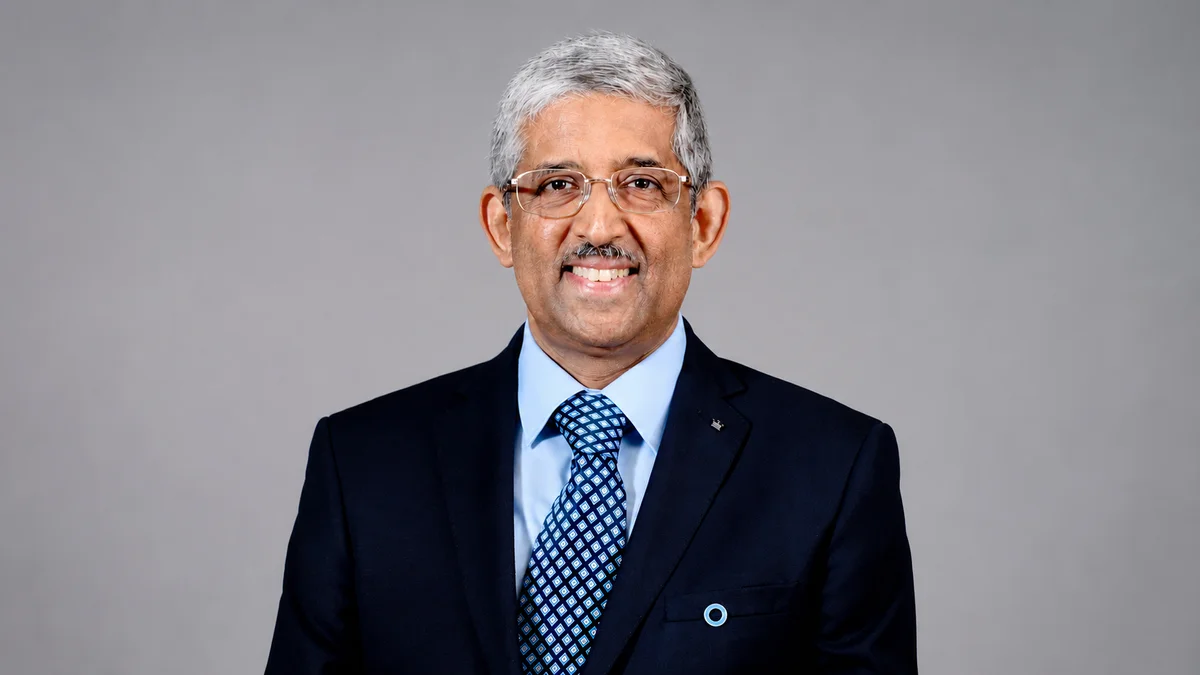
Addressing this clinical reality at the 4th World Congress on Cardio-Kidney-Metabolic Medicine (WCCKMM 2026) at The Leela, Mumbai, Dr V Mohan, globally renowned diabetologist from Chennai, explained that data clustering helps deconstruct this metabolic heterogeneity. The phenotypic divergence within South Asian populations necessitates a transition away from uniform treatment algorithms.
Dr V Mohan noted that data-driven clustering classifies Indian type 2 diabetes into four distinct phenotypes. These include severe insulin-deficient diabetes (CID) and insulin-resistant obese diabetes (IROD). Dr V Mohan clarified that his team was the first globally to report a combined variety, severe insulin-resistant and deficient diabetes (CIRDD), which represents the classic Asian Indian phenotype characterized by high triglycerides and low high-density lipoprotein.
The therapeutic implications of these distinct biological subsets are highly relevant to clinical practice. Dr V Mohan stated that mild age-related diabetes (MARD) shows the highest response rate to metformin. Conversely, individuals within the CID and CIRDD clusters exhibit severe secretory and resistance defects, meaning they do not respond adequately to standard metformin protocols.
Shifting the focus to monogenic variants, Dr V Mohan noted that maturity-onset diabetes of the young (MODY) patients are lean, possess strong family histories, lack ketosis, and do not require insulin. Identifying HNF4A or HNF1A mutations allows clinicians to stop insulin entirely and achieve excellent glycaemic control using inexpensive sulfonylureas.
Furthermore, diagnostic errors carry severe consequences in infantile presentations. Dr V Mohan observed that type 1 diabetes rarely manifests before six months of age; such cases typically signify neonatal diabetes. Dr V Mohan cited a patient with a KCNJ11 mutation who successfully transitioned from 14 insulin units to oral sulfonylureas, remaining insulin-free for over a decade.
Genetic screening avoids thousands of painful injections and reduces prohibitive treatment costs for families. Challenging traditional diagnostic paradigms, Dr V Mohan questioned why healthcare systems continue to treat all infantile and atypical adult diabetes with empirical insulin regimens when free genetic diagnostics and precise oral therapies are readily accessible to guide targeted interventions?
TheRightDoctors | Official Digital Knowledge Partner | WCCKMM 2026
ALSO READ | Dr. Peter Schwarz Outlines IDF Strategies for Global Diabetes Crisis
ALSO WATCH | Dr. Enas A. Enas: Targeted Screening Essential to Stop Early Indian CA
Support TheRightDoctors
A fake news pandemic has taken the world by storm. More so for medical content.
We are witnessing a paradox of information overload and unanswered questions among both the lay public and the medical community.
TheRightDoctors brings you Insights from thought leaders across leading medical specialities. Views which help correct the information asymmetry and articulate the voice of medical science and reason.
This effort, however, needs your support.
Medical journalism is a niche which can survive only when it is adequately funded.
If you appreciate the work we do, we would like to request your support. Every contribution however big or small is valuable to us.
The options on this page enable you to choose between a one-time, monthly or annual payment. This is inclusive of GST. If you are a firm with GST, we will issue a GST invoice. Please reach out to us at support@therightdoctors.com
We thank you for your trust and your support.
SupportTags: Drvmohan | Wcckmm2026 | Therightdoctors | Precisiondiabetescare | Precisiondiabetes | Monogenicdiabetes | Mody | Neonataldiabetes | Endocrinology | Diabetology | Southasianphenotype | Diabetesclustering | Cardiokidneymetabolic | Clinicalgenetics | Medicaleducation | Metabolichealth | Mumbaicongress |
Read More


Most Popular
The Indispensable Role of SGLT2i in Heart Failure
Incorporating Imaging Refines Risk in CKM Syndrome

Putting AI to Work in Cardiovascular Care
Dr. Pankaj Manoria on Post-MI Antiplatelet Therapy Selection
More from TheRightDoctors
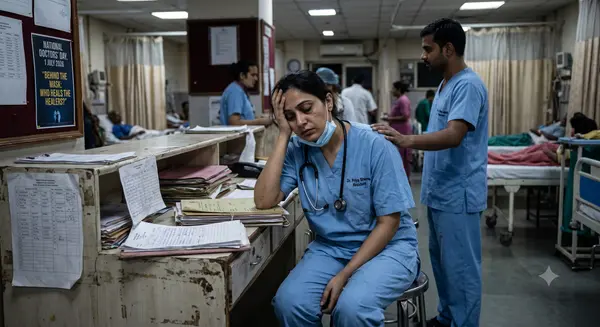
Understanding Systemic Burnout and Policy Initiatives for Doctors
Overhauling Medical Curricula: What Doctors Say Must Change
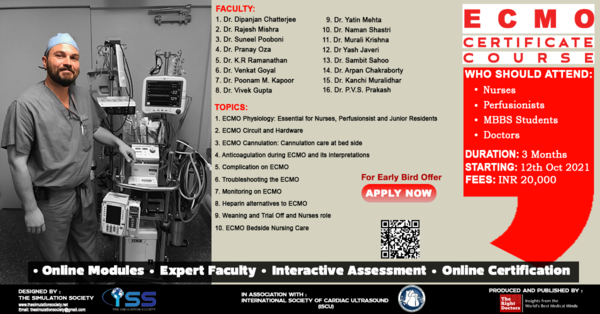
Click here to Register for ECMO course
Trending
Eradicating Administrative Burden on National Doctors Day
Cardiac MRI Scarring Above 5% Predicts Sudden Death Risk
Food Sequencing & Unpolished Grains Beat Sugar Substitution in CKM
Umbilical Cord LDL of 25 mg/dL is the True Standard: Dr Rajeev Agarwal
Powered by:
.png)
Awards & Recognitions:


