
Incorporating Imaging Refines Risk in CKM Syndrome
Incorporating Imaging Refines Risk in CKM Syndrome

Updated: Jul 3, 2026, 5:26:34 PM
Text Size:
The clinical burden of cardio-kidney-metabolic (CKM) syndrome spans millions of patients globally, presenting a progressive, predictable, and highly preventable trajectory of disease. As metabolic dysfunction intersects with renal impairment, the clinical phenotype shifts dynamically from isolated atherosclerotic risk to complex heart failure architectures.
Relying solely on conventional risk calculators often obscures early tissue injury, allowing subclinical phenotypes to advance unchecked toward overt vascular and myocardial failure. This diagnostic gap underscores the necessity of embedding precision imaging frameworks early within the diagnostic timeline to guide timely clinical intervention.
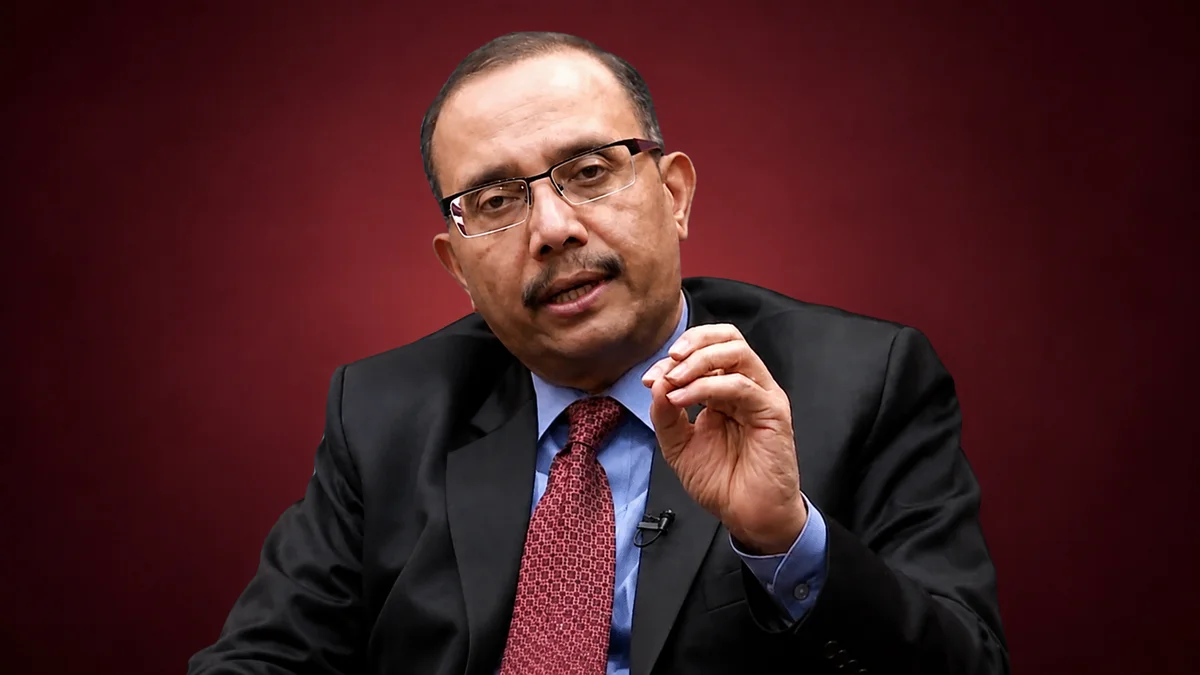
Addressing this practice gap during a session at the World Congress of Cardiovascular-Kidney-Metabolic Medicine (WCCKMM 2026), Dr. Y S Chandrashekhar, Editor-in-Chief of JACC: Cardiovascular Imaging, outlined a decisive framework for stage-specific imaging protocols.
Dr. Chandrashekhar emphasized that structural and functional abnormalities alter progressively across successive CKM stages, with recent clinical registry data confirming a steep decline in diastolic and systolic parameters. The optimal therapeutic window closes rapidly after stage two, beyond which clinical prognosis degrades into incident heart failure and adverse composite events.
Rather than merely counting traditional risk factors, the diagnostic objective must shift toward identifying objective evidence of early organ injury within the fat compartments, vasculature, and myocardium. Advanced imaging technologies facilitate the precise characterization of pathogenic adiposity, tracking visceral adipose tissue, epicardial adipose tissue, and hepatic steatosis.
In the early stages of metabolic vascular stress, coronary artery calcium (CAC) scoring provides definitive, unassailable evidence of macrovascular atherosclerosis, outperforming speculative probability risk equations. Demonstrating visible calcified plaque to clinicians correlates with a measurable intensification of preventive therapies, which effectively halts downstream plaque progression.
Furthermore, identifying subclinical myocardial dysfunction requires moving beyond traditional left ventricular ejection fraction, which remains an insensitive, late-stage marker of cardiovascular failure. Utilizing global longitudinal strain (GLS) via echocardiography enables the detection of subtle, subclinical contractility impairments up to a decade before the onset of overt clinical cardiomyopathy.
These localized imaging metrics allow for the precise, individualized tailoring of neurohormonal and metabolic therapies, including GLP-1 receptor agonists, SGLT2 inhibitors, and targeted bariatric interventions. However, clinical implementation must remain highly selective, intentionally avoiding low-yield testing in low-risk individuals to preserve resource utilization. How can healthcare delivery models effectively standardize selective, stage-specific imaging pathways to maximize the early detection of subclinical tissue injury? Dr. Chandrashekhar left the specialist assembly to evaluate this pressing paradigm shift in preventive care.
TheRightDoctors | Official Digital Knowledge Partner | WCCKMM 2026
ALSO READ | Dr. Peter Schwarz Outlines IDF Strategies for Global Diabetes Crisis
ALSO WATCH | Dr V Mohan Outlines Precision Medicine to Subdivide Indian Diabetes
Support TheRightDoctors
A fake news pandemic has taken the world by storm. More so for medical content.
We are witnessing a paradox of information overload and unanswered questions among both the lay public and the medical community.
TheRightDoctors brings you Insights from thought leaders across leading medical specialities. Views which help correct the information asymmetry and articulate the voice of medical science and reason.
This effort, however, needs your support.
Medical journalism is a niche which can survive only when it is adequately funded.
If you appreciate the work we do, we would like to request your support. Every contribution however big or small is valuable to us.
The options on this page enable you to choose between a one-time, monthly or annual payment. This is inclusive of GST. If you are a firm with GST, we will issue a GST invoice. Please reach out to us at support@therightdoctors.com
We thank you for your trust and your support.
SupportTags: Dryschandrashekhar | Wcckmm2026 | Therightdoctors | Ckmsyndrome | Cardiovascularimaging | Globallongitudinalstrain | Coronaryarterycalcium | Cardiology | Heartfailure | Preventivecardiology | Subclinicalcvd | Echocardiography | Atherosclerosis | Cardiotwitter | Medicalimaging | Visceralfat | Cardiorenal | Metabolicmedicine | Jacc |
Read More

Most Popular
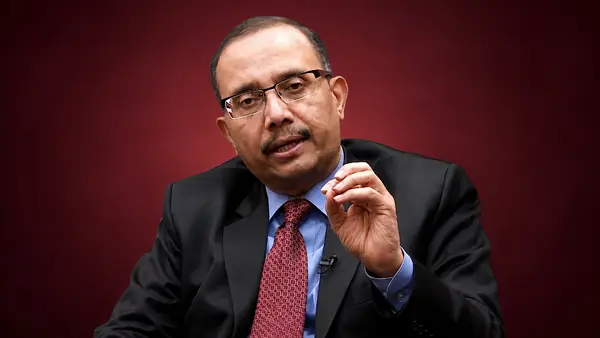
Dr Chandrashekhar: Image Fat Depot Phenotypes | WCCKMM 2026

The Indispensable Role of SGLT2i in Heart Failure

Putting AI to Work in Cardiovascular Care
Dr. Pankaj Manoria on Post-MI Antiplatelet Therapy Selection
More from TheRightDoctors

Understanding Systemic Burnout and Policy Initiatives for Doctors
Overhauling Medical Curricula: What Doctors Say Must Change
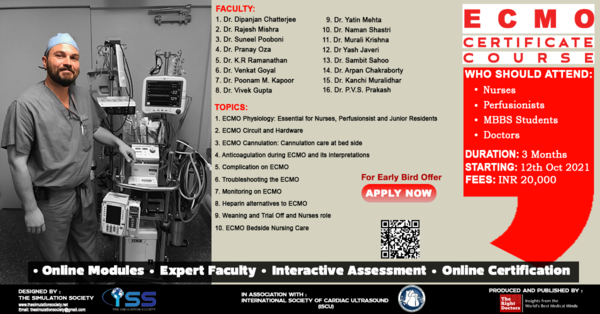
Click here to Register for ECMO course
Trending
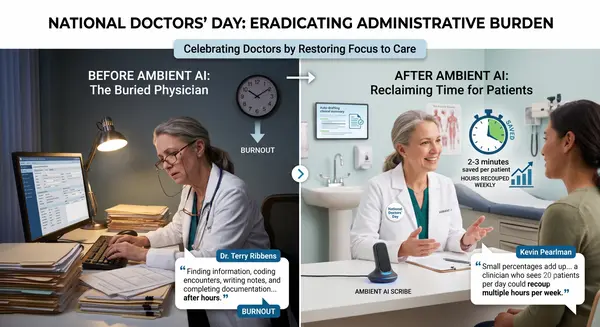
Eradicating Administrative Burden on National Doctors Day
Cardiac MRI Scarring Above 5% Predicts Sudden Death Risk

Food Sequencing & Unpolished Grains Beat Sugar Substitution in CKM
Umbilical Cord LDL of 25 mg/dL is the True Standard: Dr Rajeev Agarwal
Powered by:
.png)
Awards & Recognitions:


