
What Nobody Tells You After a Lung Cancer Diagnosis
What Nobody Tells You After a Lung Cancer Diagnosis

Updated: Aug 1, 2026, 5:41:50 PM
Text Size:
There is a version of this moment almost every family knows. A phone call, or a quiet room, and a doctor saying a word that changes the shape of the next few months. And then — nothing. Not silence exactly, but a kind of fog: unfamiliar terms, decisions nobody feels ready to make, and a fear that's been building in the back of your mind for years, because you already "know" what lung cancer means.
Except what most of us "know" is about fifteen years out of date.
The picture you're picturing is not the picture anymore
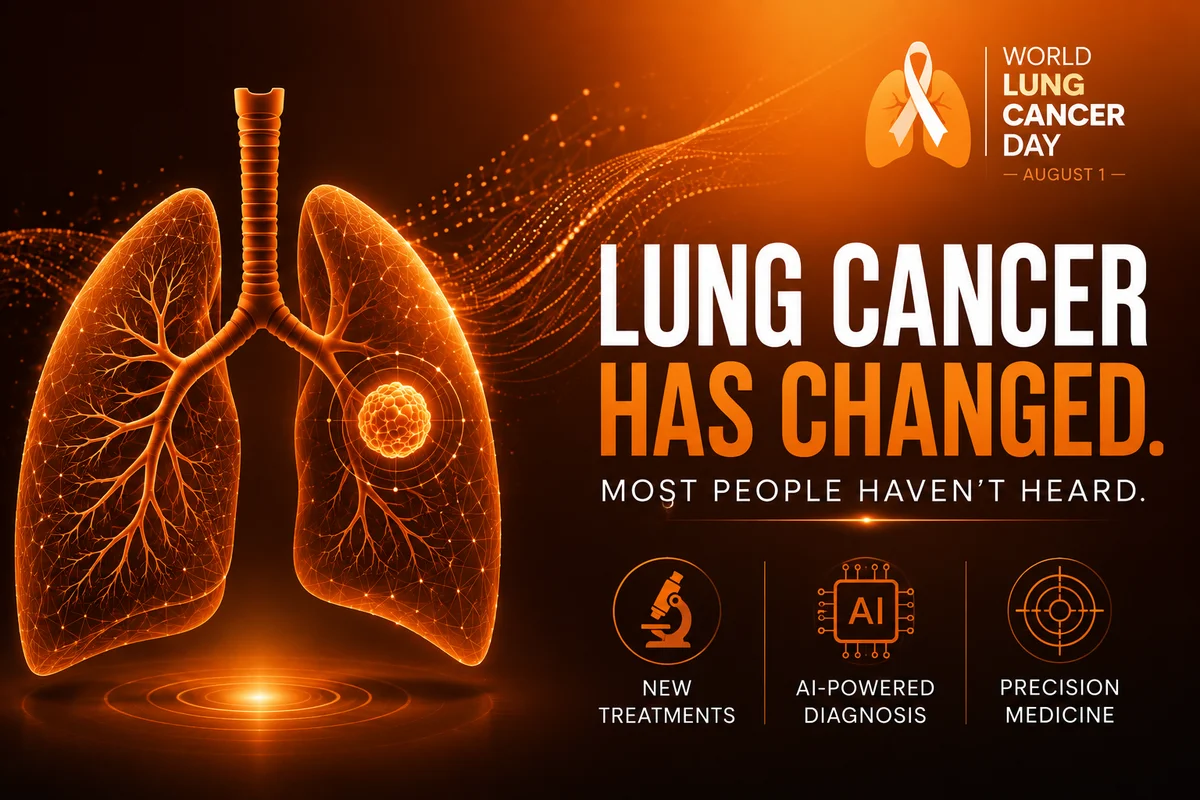
If your mental image of lung cancer treatment is chemotherapy, hair loss, and grim odds — that was true once, and for some patients it's still part of the picture. But it stopped being the whole picture faster than almost anyone outside oncology has noticed. In the last three years alone, seven new treatments have been approved that didn't exist before — not incremental tweaks, but genuinely new categories of medicine. That pace of change is unusual even by cancer research standards, and it means the odds a doctor would have quoted you in 2018 are not the odds that apply today.
"But nobody in my family smokes"
This needs to be said plainly, because it's one of the most persistent and damaging misunderstandings out there: lung cancer is not only a smoker's disease. A meaningful share of patients — especially women, and especially in some parts of Asia — have never smoked a cigarette in their life. This matters beyond the medicine: the mistaken belief that lung cancer is "self-inflicted" is a major reason patients feel shame instead of support, delay seeking help, or feel isolated at exactly the moment they need people around them most. If someone you love has lung cancer, they didn't necessarily do anything to cause it, and they don't owe anyone an explanation for how they got it.
What's actually new — without the jargon
You don't need to know drug names to understand what's changed. Broadly, three things have shifted:
Cancers that used to have almost nothing to offer now have real options. A hard-to-treat form that returns after initial treatment — extensive-stage small cell lung cancer — now has a genuinely new category of medicine: one built to grab the cancer cell with one hand and call in the body's own immune defenses with the other. It's extending how long people live, meaningfully.
Treatment that used to take five hours in an infusion chair can now take five minutes. One of the standard combination therapies for a common genetic subtype was reformulated this year specifically to cut down the burden of treatment itself — less time tethered to a hospital chair, fewer reactions, more of your life left over.
Cancers that come back after surgery are being caught and treated before they take hold. Newer approaches now add treatment before and after surgery for certain patients, meaningfully lowering the chance the cancer returns at all — a shift from "treat it when it comes back" to "reduce the odds it comes back in the first place."
On getting access in India
Not everything above has commercially launched in India yet — some of these are only months old globally. That does not mean "unreachable." There's a legal, doctor-supervised pathway called Named Patient Import that allows a specific patient to import a medicine not yet sold here, for their own treatment. It's slower and involves more paperwork than walking into a pharmacy, but it is a real option — worth asking your oncologist about directly, by name, rather than assuming the answer is no.
Where this goes next — and where AI actually fits in
The next five years aren't just about new drugs in trials, though there are real ones — new categories built to deliver treatment directly to cancer cells while sparing healthy tissue, and medicines finally targeting mutations doctors once considered untouchable. The quieter shift is in how cancer gets found and matched to treatment in the first place, and this is genuinely where artificial intelligence is starting to earn its place — not as a buzzword, but as a working tool.
AI systems are now being used to review CT and chest X-ray scans alongside radiologists, flagging small nodules that are easy for a busy human eye to miss — not replacing the doctor's judgment, but catching things earlier so a doctor can look closer, sooner. Separately, researchers are building tools that help match a specific patient's tumor profile to the treatment most likely to actually work for them, rather than the trial-and-error approach that's shaped cancer care for decades. None of this is science fiction — it's happening in hospitals right now, expanding every year, and its entire purpose is unglamorous: catch things earlier, waste less time on treatments unlikely to help, get people onto the right path faster.
What to actually do with all of this
If you're sitting with a diagnosis right now — yours or someone you love's — here is the honest, practical takeaway: ask your oncologist directly whether biomarker or molecular testing has been done. This one test, often just a small tissue sample or a blood draw, determines whether a precision treatment exists specifically for that cancer's genetic profile. It is, more than anything else in this article, the single most useful question you can ask this week.
And if you want the clinical detail behind all of this — the specific drugs, trial data, and pricing, to bring to that conversation with your oncologist — I wrote a fuller breakdown here: [link].
A diagnosis is the beginning of a plan, not the end of a story. That's not a platitude — it's what the data actually shows, more clearly with each passing year.
Dr. Chandra Sekhar is Founder & Editor-in-Chief, TheRightDoctors.
ALSO READ | Dr V Mohan Outlines Precision Medicine to Subdivide Indian Diabetes
ALSO WATCH | Dr. Enas A. Enas: Targeted Screening Essential to Stop Early Indian CA
Support TheRightDoctors
A fake news pandemic has taken the world by storm. More so for medical content.
We are witnessing a paradox of information overload and unanswered questions among both the lay public and the medical community.
TheRightDoctors brings you Insights from thought leaders across leading medical specialities. Views which help correct the information asymmetry and articulate the voice of medical science and reason.
This effort, however, needs your support.
Medical journalism is a niche which can survive only when it is adequately funded.
If you appreciate the work we do, we would like to request your support. Every contribution however big or small is valuable to us.
The options on this page enable you to choose between a one-time, monthly or annual payment. This is inclusive of GST. If you are a firm with GST, we will issue a GST invoice. Please reach out to us at support@therightdoctors.com
We thank you for your trust and your support.
SupportTags: Lung Cancer Diagnosis | Lung Cancer Treatment 2026 | Non-small Cell Lung Cancer | Small Cell Lung Cancer | Targeted Therapy Lung Cancer | Lung Cancer In Non-smokers | Lung Cancer Myths | Biomarker Testing | Molecular Testing Cancer | Precision Oncology | Egfr Mutation Lung Cancer | Immunotherapy Lung Cancer | Named Patient Import India | Lung Cancer Treatment India | Cancer Diagnosis Support | Ai In Cancer Detection | Lung Cancer Screening | Lung Cancer Survival Rates | World Lung Cancer Day | Newly Diagnosed Cancer Patient Guide | Therightdoctors |
Read More




Most Popular

The Indispensable Role of SGLT2i in Heart Failure
Incorporating Imaging Refines Risk in CKM Syndrome

Putting AI to Work in Cardiovascular Care

Dr. Pankaj Manoria on Post-MI Antiplatelet Therapy Selection
More from TheRightDoctors
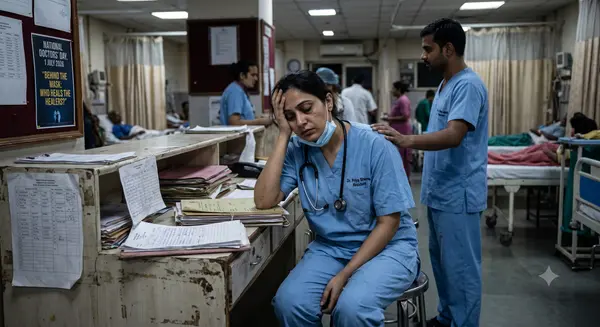
Understanding Systemic Burnout and Policy Initiatives for Doctors
Overhauling Medical Curricula: What Doctors Say Must Change
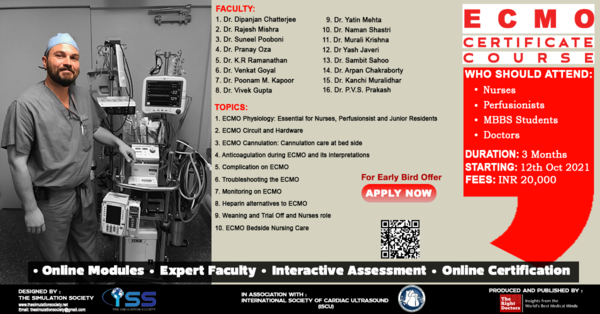
Click here to Register for ECMO course
Trending
Eradicating Administrative Burden on National Doctors Day

Cardiac MRI Scarring Above 5% Predicts Sudden Death Risk

Food Sequencing & Unpolished Grains Beat Sugar Substitution in CKM
Umbilical Cord LDL of 25 mg/dL is the True Standard: Dr Rajeev Agarwal
Powered by:
.png)
Awards & Recognitions:


