
Addressing Healthcare Barriers on World Hepatitis Day 2026
Addressing Healthcare Barriers on World Hepatitis Day 2026

Updated: Jul 28, 2026, 3:02:24 PM
Text Size:
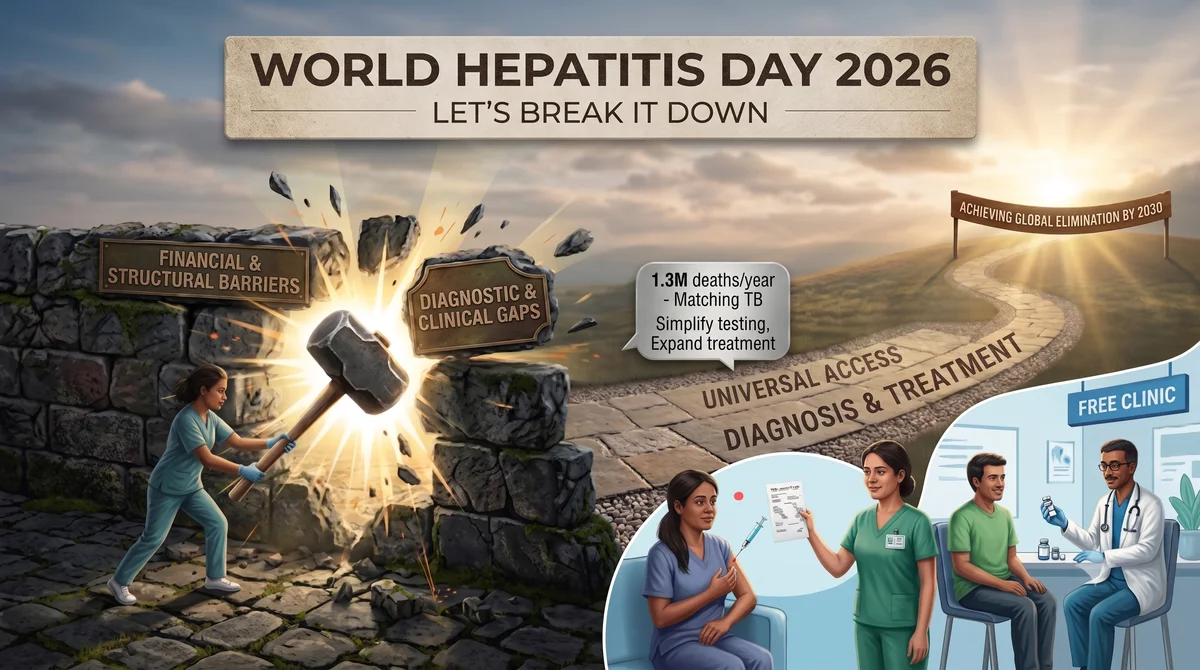
Managing viral hepatitis requires addressing complex systemic barriers that prevent patients from accessing essential screening, immunisation, and antiviral care. On 28 July 2026, the World Health Organization leads the observance of World Hepatitis Day 2026 under the campaign theme, "Hepatitis: Let's Break It Down". This global initiative emphasizes dismantling the financial, clinical, and structural obstacles that delay care delivery and perpetuate rising mortality rates from chronic liver infection.
According to the World Health Organization's Global Hepatitis Report 2024, approximately 254 million individuals live with chronic hepatitis B and 50 million with chronic hepatitis C globally. This combined burden causes an estimated 1.3 million deaths annually, positioning viral hepatitis alongside tuberculosis as a leading infectious cause of death. Despite the availability of effective vaccines and curative oral antivirals, structural gaps in health systems continue to impede universal access.
Dr. Tedros Adhanom Ghebreyesus, Director-General of the World Health Organization, underscored the necessity of integrated public health action following the report's release.
"This report paints a troubling picture: despite progress globally in preventing hepatitis infections, deaths are rising because far too few people with hepatitis are being diagnosed and treated."
In India, national efforts have mobilized broad public health resources to counter the burden. Data from the WHO Global Hepatitis Report 2024 indicates that India accounts for 11.6% of the global burden, representing over 35 million chronic carriers of hepatitis B and C combined. Through the National Viral Hepatitis Control Programme launched in 2018, the government has expanded free screening, diagnosis, and antiviral treatment services nationwide. [Programme-level screening and treatment totals should be confirmed against the latest NVHCP/Ministry of Health figures before publication.]
However, clinicians emphasize that expanding diagnostic coverage remains critical to preventing long-term hepatic complications, particularly given how often chronic infections go unrecognized until advanced liver damage has already occurred.
Achieving global elimination by 2030 requires sustained public funding, decentralized diagnostic infrastructure, and continuous patient engagement across primary care networks.
ALSO READ | Dr V Mohan Outlines Precision Medicine to Subdivide Indian Diabetes
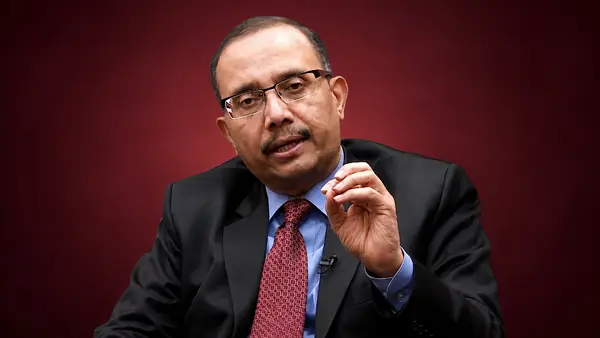
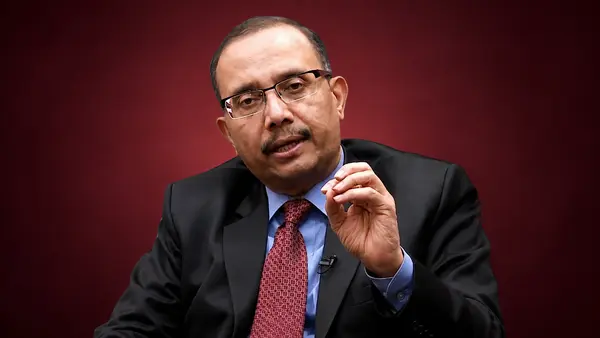
ALSO WATCH | Dr. Enas A. Enas: Targeted Screening Essential to Stop Early Indian CA
Support TheRightDoctors
A fake news pandemic has taken the world by storm. More so for medical content.
We are witnessing a paradox of information overload and unanswered questions among both the lay public and the medical community.
TheRightDoctors brings you Insights from thought leaders across leading medical specialities. Views which help correct the information asymmetry and articulate the voice of medical science and reason.
This effort, however, needs your support.
Medical journalism is a niche which can survive only when it is adequately funded.
If you appreciate the work we do, we would like to request your support. Every contribution however big or small is valuable to us.
The options on this page enable you to choose between a one-time, monthly or annual payment. This is inclusive of GST. If you are a firm with GST, we will issue a GST invoice. Please reach out to us at support@therightdoctors.com
We thank you for your trust and your support.
SupportTags: Worldhepatitisday | Breakitdown | Viralhepatitis | Globalhealth | Publichealth | Hepatitisb | Hepatitisc | Gastroenterology | Liver Health | Healthcare Access | Who | Nvhcp | Epidemiology | Preventive Medicine | Clinical Care |
Read More




Most Popular
The Indispensable Role of SGLT2i in Heart Failure
Incorporating Imaging Refines Risk in CKM Syndrome

Putting AI to Work in Cardiovascular Care

Dr. Pankaj Manoria on Post-MI Antiplatelet Therapy Selection
More from TheRightDoctors

Understanding Systemic Burnout and Policy Initiatives for Doctors

Overhauling Medical Curricula: What Doctors Say Must Change
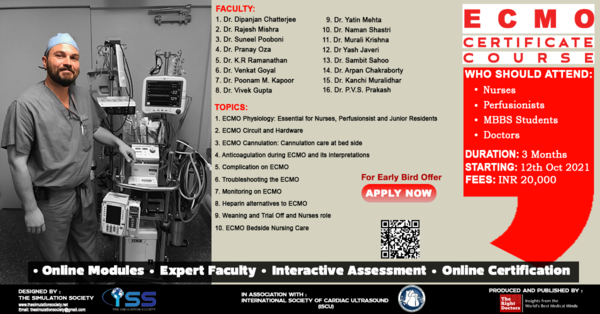
Click here to Register for ECMO course
Trending
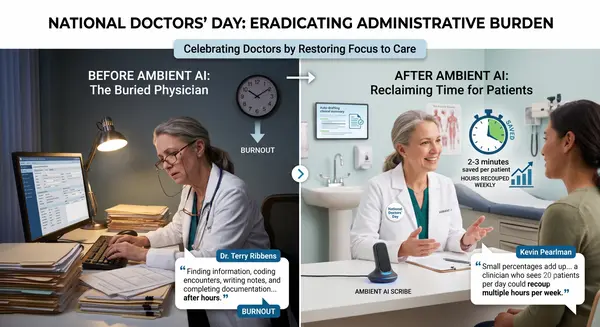
Eradicating Administrative Burden on National Doctors Day

Cardiac MRI Scarring Above 5% Predicts Sudden Death Risk

Food Sequencing & Unpolished Grains Beat Sugar Substitution in CKM
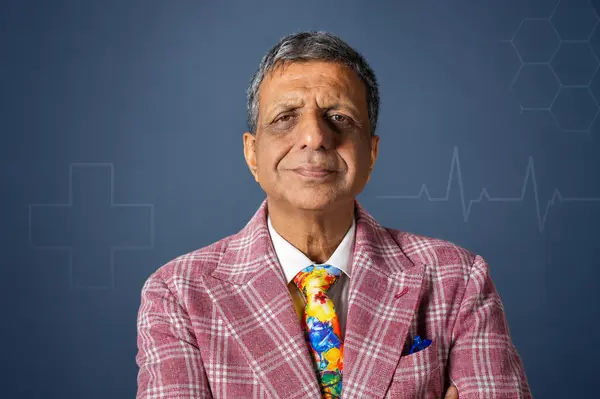
Umbilical Cord LDL of 25 mg/dL is the True Standard: Dr Rajeev Agarwal
Powered by:
.png)
Awards & Recognitions:


