Restructuring Macronutrient Ratios Checks Indian Diabetes
Restructuring Macronutrient Ratios Checks Indian Diabetes
UPDATED: Jul 10, 2026, 4:11:50 PM
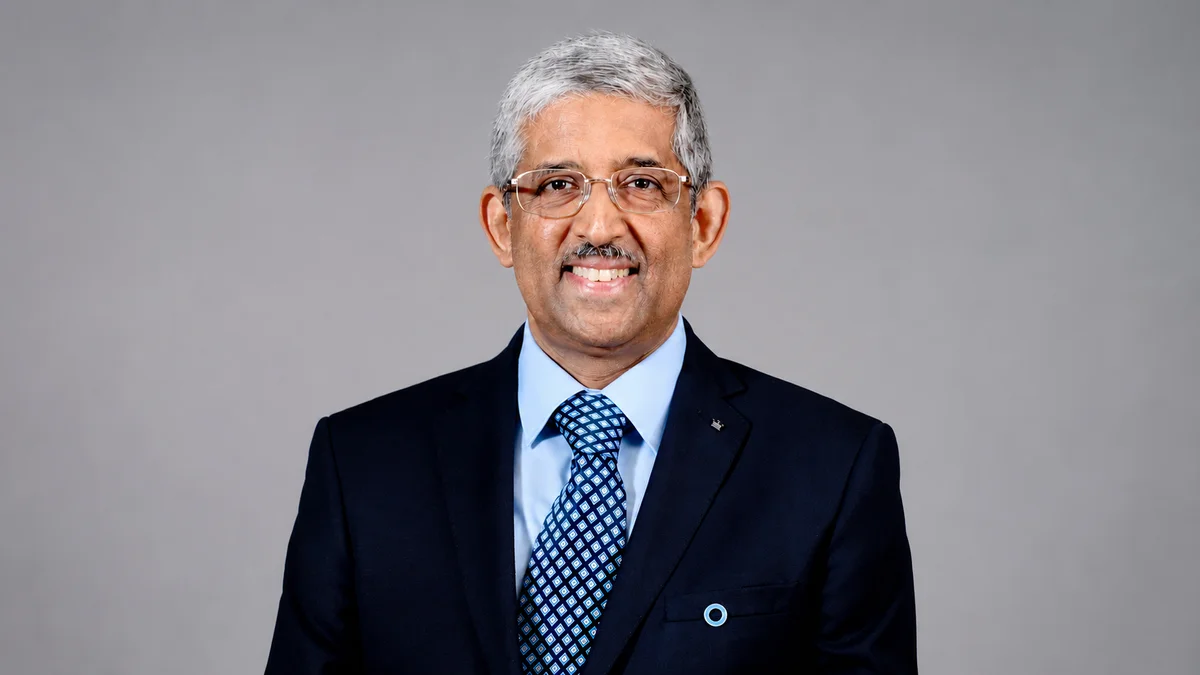
The epidemiological trajectory of type 2 diabetes and associated metabolic disorders across India is driving a severe cardiorenal public health crisis. Granular data from the comprehensive ICMR-INDIAB study indicates that 16% of urban adults and 9% of rural adults live with diabetes, establishing an overall adult prevalence of 11%.
Alarmingly, the prevalence of pre-diabetes surpasses these numbers, placing a combined 237 million individuals within a high-risk metabolic corridor characterized by an exceptionally rapid transition to overt clinical disease. This expanding metabolic foundation is heavily compounded by an immense burden of abdominal adiposity, which currently impacts 351 million individuals nationwide.
Addressing this practice gap during a session at the World Congress of Cardiovascular-Kidney-Metabolic Medicine (WCCKMM 2026), Dr. V. Mohan, Chairman of the Madras Diabetes Research Foundation and a globally renowned diabetologist, presented definitive evidence-based strategies to arrest this crisis.
Dr. Mohan clarified that while genetic predisposition remains a baseline factor, the exponential surge in diabetes over recent decades is primarily driven by rapid lifestyle shifts, physical inactivity, and a marked excess in total carbohydrate consumption. Data from the multi-country PURE study and a subsequent country-wide analysis in Nature Medicine confirm a direct correlation between carbohydrate intake and newly diagnosed type 2 diabetes, generalized obesity, and visceral adiposity.
To address this without waiting decades for population-wide dietary transformations, mathematical and biological modeling demonstrates that a modest 10% reduction in total carbohydrates—shifting from 65% down to 50% or 55% of daily energy intake—can significantly alter the epidemic's trajectory. Clinicians must counsel patients to replace these refined carbohydrates specifically with quality plant-based proteins and fiber rather than animal fats or alternative simple starches.
Furthermore, multi-decade longitudinal data from the CARS study introduces environmental stressors into the cardiorenal matrix, establishing a direct, independent correlation between prolonged PM2.5 air pollution exposure and incident type 2 diabetes alongside elevated blood pressure. This intersection of environmental toxins, carbohydrate saturation, and low protein intake accelerates hepatic steatosis and visceral fat deposition.
Compounding this physiological strain, registry data indicates that a fraction of the current patient population meets the collective "ABCD" treatment goals. Only 30% achieve target HbA1c levels, 50% hit blood pressure targets, and 60% manage lipid goals, culminating in a mere 7% of patients successfully optimizing all parameters simultaneously to prevent advanced cardiorenal complications.
How can clinical infrastructure rapidly pivot to incentivize proactive macronutrient restructuring and strict ABCD goal adherence before escalating glycemia drives irreversible end-organ damage? Dr. Mohan left the specialist assembly to evaluate this foundational clinical challenge.
TheRightDoctors | Official Digital Knowledge Partner | WCCKMM 2026
Restructuring Macronutrient Ratios Checks Indian Diabetes
Tags: Drvmohan Wcckmm2026 Therightdoctors Diabetesepidemic Icmrindiab Cardiorenal Metabolicmedicine Carbohydraterestriction Plantprotein Abdominalobesity Publichealth Cardiology Endocrinology Prediabetes Airpollution Abcdgoals Cardiotwitter Internalmedicine |
Most Popular
Common Errors in Hypertension Measurement: Dr. Kamlesh Tewary
Dr. Kamlesh Tewary
Role of telemedicine in COVID-19 pandemic
Dr Hardeep Kaur Grewal
Lipedema: Mistaken for Obesity
DR. V.K.SRINAGESH
Back Pain During COVID-19
Dr. Kaushik Sil

Orthopedics: the past, the present and back to the past to deal with the COVID-19 era
Dr N Somasekhar Reddy
More From TheRightDoctors
COVID-19: Effects on the Gastrointestinal Tract & Liver
Dr. Rajesh Upadhyay

Impact of Stress on Health
Dr. Manju Mehta

Challenges of Medical Education in India
Prof. Dr. Vitull K. Gupta
Reminisces of a Surgical PG Student
Dr. Sayandev Das Gupta
Trending
Vitamin D Supplementation in Patients with Diabetic Retinopathy
Prof. Sandeep Saxena

Dr. Peter Schwarz Outlines IDF Strategies for Global Diabetes Crisis
What Nobody Tells You After a Lung Cancer Diagnosis
Dr. Chandra Sekhar