Impact of Stress on Health
Impact of Stress on Health
Dr. Manju Mehta
UPDATED: Feb 23, 2021, 2:02:42 PM

Modern life has set a hectic, rapid, treadmill pace for our life. We have to do many roles and worry about an uncertain future. Have frustration and anger. No time for leisure, family, or 'me time’. Unnecessary dependence on gadgets like mobile phones, the internet, etc.
To maintain a balance or homeostasis, the body is constantly adjusting. When a physical or mental event threatens this equilibrium, one reacts to it. One either fights or has flight, runs away. Our ability to cope is considered our ability to fight or cope with stress.
An old saying that people are disturbed by the view of things and not the actual event still holds. Our cognitive appraisal determines the stress response. Stress is not always bad it is essential to perform at times. The positive stress like promotion, marriage, childbirth are examples of good stress called Eustress. Distress or bad stress like a death in the family. Losing a job, failure leads to many physical or psychological symptoms.
Causes of stress
It can be linked to social/ cultural factors, biological, spiritual, work culture, or personality. Unhappiness or having too many expectations. No sleep or imbalance in lifestyle is also stress causing. Meeting too many deadlines and finding faults in everything can lead to stress.
Impact on health
• 43% of adult health problems are the result of stress
• 75 – 90% of all visits to primary care physicians are for stress-related problems
• Stress is related to six main causes of death related to:
– Heart disease
– Cancer
– Lungs
– Accidents
– Liver
– Suicide
Chronic stress can lead to health issues like-
-Sleep disturbance
-Back, shoulder, or neck pain
-Headaches
-Digestion problems
-Blood pressure
-Diabetes
-Fatigue
-Weight gain or loss
-Skin problems
-Asthma or shortness of breath
-Jaw pain
-Immune system suppression
-Cold hands and feet
-Chest pain
-Mental health conditions like Anxiety and Depression
-Memory problems and poor concentration
-Anger, irritable
-Trouble thinking clearly
-Substance abuse
-Overreactions
-Reduced creativity
-Lower productivity
-Coping with stress
-Coping refers to efforts to master conditions of harm, threat, or challenge
These are categorized as emotion-focused and problem-focused. Emotion-focused coping is reacting to stress using emotions, destruction, anger, drinking, and smoking, showing frustration. Studies have shown that they are not effective. Problem-focused coping uses a solution to the problem. The other type of problem-focused coping strategy is doing exercises, talking to someone, praying, getting busy in some tasks like reading a storybook or making something. Those who like music can listen. The only thing is one has to be actively involved.
Stress Management We can remember 4 A`s - avoid, alter, adapt, and accept the stressful situations. Avoid means, ignore the people who give stress, learn to say NO, avoid hot buttons, discussions, stressful situations. Alter means change yourself so that no overreactions are present. Control emotions by deep breathing, relaxation exercises, yoga, meditation, mindfulness.
Distraction by involving yourself in interesting activities and Imagery, visualisation of natural scenes Remember your last holidays and relive.
Adaptation is possible by positively changing the negative thoughts.
One can be detached to the thoughts. The use of self- statement and affirmative statements can change the thoughts. They will influence your feelings and behavior. If you think that you were stupid then you will be depressed. Your behavior will be not meeting people, withdrawing from social meetings.
If you think positively, your self-esteem will be normal and you will like to meet people. Find good qualities in people you don`t like. Try to be flexible, not be rigid in thoughts and actions. Be innovative, try to do new things. Sometimes perfection also gives stress, so overlook if things are not perfect.
Reward yourself don`t expect rewards or praise from others. Lots of persons are looking for a nod from others- parents, friends, bosses, colleagues, or spouse.
You should also try to focus on your lifestyle. Sleep for 8 hours, follow a routine, have control over your eating- no smoking, moderate alcohol, time for family, friends, and your self. Manage your time in the following way-
• Make a to-do list
• Divide tasks into short goals
• Prioritize from the most important to the least important
• Finish difficult tasks at the beginning of the day
• Take frequent breaks while working
• Include pleasure activities
• Have a me-time
• Organize your day to include a balance of work & leisure
• Keep yourself motivated & enthusiastic
Reduce your stress at work by enjoying your work. Make it simple and easy. Make friends at the workplace, accept yourself, and take pride in what you do. Many people say that they don`t like their job, they work for a salary only, try to change your attitude or look for options.
Control your anger by following the simple tips given below –
• Humor
• Distraction/ Time out
• Empathy
• Managing thoughts
• Assertiveness
• See-saw
• Negotiation
• Assertiveness
• Forgiveness
You should focus on eating also. Some people have misconceptions that overeating helps you to be happy. Contrary to this overeating and choice of the wrong food can be stressful and can cause diseases like acidity, obesity, and heart problems. Eat for health not for taste.
Enjoy your age also, don`t be depressed if you are growing old. Age respectfully and by grace. Every age has its advantages. Feel economically content and try to independent. Plan your future and responsibilities.
Erikson says one should not have the guilt of not doing things. One should not have too much death anxiety if present should take professional help. To conclude stress can have a negative effect on health and stress management can lead to wellbeing, better performance, and happy life.
Impact of Stress on Health
Most Popular
Back Pain During COVID-19
Dr. Kaushik Sil
Lipedema: Mistaken for Obesity
DR. V.K.SRINAGESH
Reminisces of a Surgical PG Student
Dr. Sayandev Das Gupta
Common Errors in Hypertension Measurement: Dr. Kamlesh Tewary
Dr. Kamlesh Tewary
Role of telemedicine in COVID-19 pandemic
Dr Hardeep Kaur Grewal
More From TheRightDoctors
Vitamin D Supplementation in Patients with Diabetic Retinopathy
Prof. Sandeep Saxena
COVID-19: Effects on the Gastrointestinal Tract & Liver
Dr. Rajesh Upadhyay

Challenges of Medical Education in India
Prof. Dr. Vitull K. Gupta
Orthopedics: the past, the present and back to the past to deal with the COVID-19 era
Dr N Somasekhar Reddy
Trending

Dr. Enas A. Enas: Targeted Screening Essential to Stop Early Indian CA
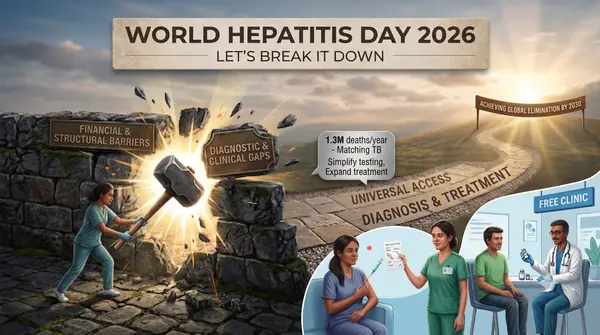
Addressing Healthcare Barriers on World Hepatitis Day 2026
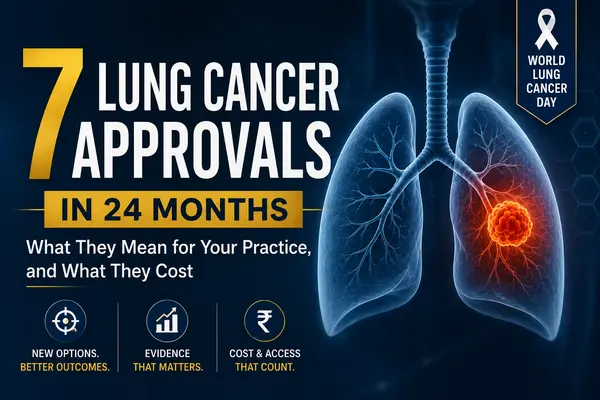
7 FDA Lung Cancer Approvals in 24 Months Every Doctor Should Know
Dr. Chandra Sekhar