
Automated Insulin Delivery Systems Enhance Glycemic Control and Reduce HbA1c in Insulin-Treated Type 2 Diabetes: NEJM Study
Automated Insulin Delivery Systems Enhance Glycemic Control and Reduce HbA1c in Insulin-Treated Type 2 Diabetes: NEJM Study

Updated: Mar 21, 2025, 12:31:31 PM

Text Size:
A study published in the NEJM Journal this week has revealed that “automated insulin delivery (AID) systems can significantly improve glycemic control in adults with insulin-treated type 2 diabetes.”
The 2IQP study shows that “AID systems lower HbA1c more effectively than CGM alone and increase time in the target glucose range without raising hypoglycemia risk.”
HbA1c (glycated hemoglobin) reflects the average blood sugar levels over 2–3 months and is a key indicator of long-term glucose control in diabetes management.
Continuous glucose monitoring (CGM) is a technology that tracks blood sugar levels in real time, helping individuals with diabetes manage their glucose levels more effectively.
This new study aims to address this gap by demonstrating the benefits of automated insulin delivery systems over conventional approaches.
The study involved “319 adults with type 2 diabetes across 21 centers in the United States and Canada.”
“Participants were randomly assigned in a 2:1 ratio to either the AID group or the control group, with both groups using continuous glucose monitoring (CGM).”
“Participants using AID systems experienced a mean reduction in HbA1c levels of 0.9 percentage points over 13 weeks, compared to only a 0.3 percentage point reduction in the control group,” researchers found.
The study also showed substantial improvements in time spent within the target glucose range.
The mean time in the target glucose range (70–180 mg/dL) increased by 14 percentage points in the AID group, translating to "an additional 3.4 hours per day within the optimal range" compared to the control group.
Safety outcomes were also favorable, with researchers reporting a “low frequency of hypoglycemia in both groups. Only one severe hypoglycemia event occurred in the AID group throughout the study period.”
The study suggests that AID systems offer several important benefits for diabetes management.
“They can be valuable tools even for patients already using advanced therapies like GLP-1 receptor agonists or SGLT2 inhibitors.”
Additionally, the systems proved "accessible and effective regardless of patients prior experience with diabetes management technologies."
Most participants in the AID group had no prior experience with insulin pumps, and formal training in carbohydrate counting was not required for successful implementation.
The NEJM study underscores the potential of AID systems to "revolutionize the management of insulin-treated type 2 diabetes," offering hope for millions worldwide who struggle to maintain optimal glucose levels.
As type 2 diabetes continues to affect growing numbers of people globally, advancements like this could pave the way for more effective treatments, improving outcomes and quality of life for patients.
ALSO READ | Dr. Peter Schwarz Outlines IDF Strategies for Global Diabetes Crisis
ALSO WATCH | Dr V Mohan Outlines Precision Medicine to Subdivide Indian Diabetes
Support TheRightDoctors
A fake news pandemic has taken the world by storm. More so for medical content.
We are witnessing a paradox of information overload and unanswered questions among both the lay public and the medical community.
TheRightDoctors brings you Insights from thought leaders across leading medical specialities. Views which help correct the information asymmetry and articulate the voice of medical science and reason.
This effort, however, needs your support.
Medical journalism is a niche which can survive only when it is adequately funded.
If you appreciate the work we do, we would like to request your support. Every contribution however big or small is valuable to us.
The options on this page enable you to choose between a one-time, monthly or annual payment. This is inclusive of GST. If you are a firm with GST, we will issue a GST invoice. Please reach out to us at support@therightdoctors.com
We thank you for your trust and your support.
SupportTags: Automated | Insulin | Delivery | Systems | Enhance | Glycemic | Control | Reduce | Hba1c | Insulin | Treated | Type2 | Diabetes | Nejm | Study |
Read More





Most Popular

Dr Chandrashekhar: Image Fat Depot Phenotypes | WCCKMM 2026

The Indispensable Role of SGLT2i in Heart Failure

Incorporating Imaging Refines Risk in CKM Syndrome

Dr. Dorairaj Prabhakaran on Harnessing AI for Cardiovascular Care
More from TheRightDoctors

Dr. Pankaj Manoria on Post-MI Antiplatelet Therapy Selection

Understanding Systemic Burnout and Policy Initiatives for Doctors
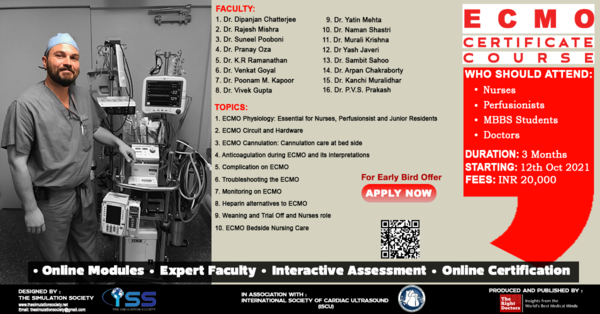
Click here to Register for ECMO course
Trending
Beyond the textbook: Overhauling Medical Curricula
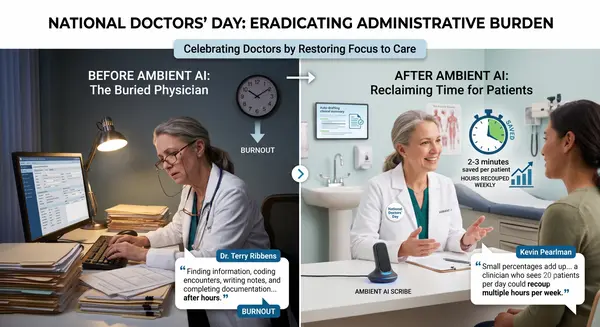
Eradicating Administrative Burden on National Doctors Day

Cardiac MRI Scarring Above 5% Predicts Sudden Death Risk

Food Sequencing & Unpolished Grains Beat Sugar Substitution in CKM
Powered by:
.png)
Awards & Recognitions:


