
What Mauritius Teaches Us About Turning Back the Diabetes Curve
What Mauritius Teaches Us About Turning Back the Diabetes Curve

Updated: Nov 16, 2026, 3:37:57 PM
Text Size:
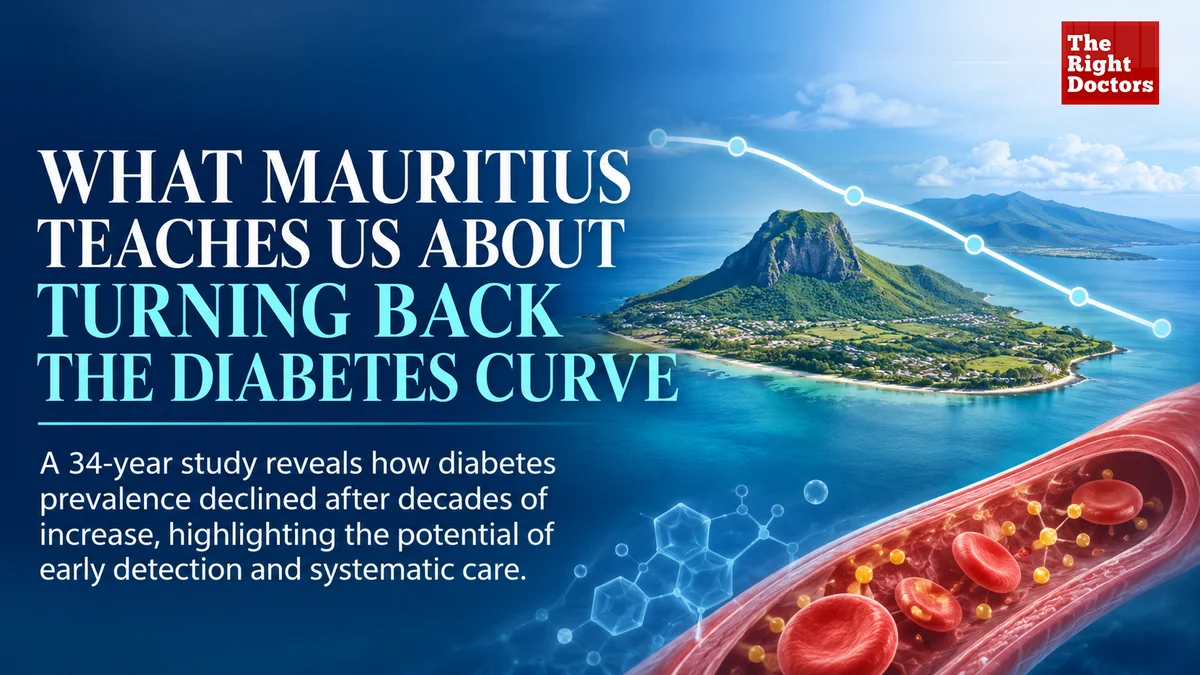
After decades of rising prevalence, Mauritius has become the first country to demonstrate a sustained decline in type 2 diabetes (T2D). A 34-year OGTT-based study published in The Lancet Diabetes & Endocrinology examines what early detection and systematic care can achieve, and what India can learn from this experience.
On World Diabetes Day, much of the conversation focuses on the rising global burden of diabetes. This study, however, highlights a country where the trend has begun to reverse.
The study analysed seven population surveys conducted between 1987 and 2021 in a multi-ethnic population, of which 68% was South Asian. Importantly, the researchers used oral glucose tolerance testing (OGTT) in every survey, allowing more consistent comparisons across the years.
T2D prevalence increased from 14.7% in 1987 to a peak of 23.3% in 2009, before declining to 19.9% in 2021.
Intermediate hyperglycaemia also declined, from a peak of 24.9% to 15.6%.
The proportion of diabetes cases that were newly diagnosed fell from 67.0% to 32.5%, suggesting that a greater proportion of cases were being identified earlier.
Why OGTT Matters
Unlike fasting glucose or HbA1c alone, OGTT can identify certain cases of diabetes and intermediate hyperglycaemia that these tests may miss. This raises an important question for diabetes screening and diagnostic practices in India.
The researchers highlight a systematic approach involving legislation, policy measures and community collaboration as important elements of Mauritius' experience. However, the study does not establish that any single intervention directly caused the decline.
Relevance to India
The findings are particularly relevant to India. An IDF survey found that only 14% of at-risk Indians believed they were likely to develop diabetes, highlighting a major awareness gap.
Early detection depends not only on accessible screening but also on people recognising their risk and understanding the importance of timely diagnosis.
Study Limitations
The study used a repeated cross-sectional design rather than following the same individuals over time. Mauritius also has a different healthcare system and is a relatively small island nation. Differences between surveys may influence comparisons across the study period.
The Takeaway
Diabetes prevalence can decline, but achieving this requires consistent surveillance, systematic healthcare approaches and a system capable of identifying people early.
Mauritius offers an important example for India: reversing the diabetes trend begins with recognising risk, improving early detection and sustaining action at the population level.
ALSO READ | The Collapse of the Age Barrier: Young India's Vascular Crisis
ALSO WATCH | How Mobile Stroke Units and AI are Rewriting the Golden Hour
Support TheRightDoctors
A fake news pandemic has taken the world by storm. More so for medical content.
We are witnessing a paradox of information overload and unanswered questions among both the lay public and the medical community.
TheRightDoctors brings you Insights from thought leaders across leading medical specialities. Views which help correct the information asymmetry and articulate the voice of medical science and reason.
This effort, however, needs your support.
Medical journalism is a niche which can survive only when it is adequately funded.
If you appreciate the work we do, we would like to request your support. Every contribution however big or small is valuable to us.
The options on this page enable you to choose between a one-time, monthly or annual payment. This is inclusive of GST. If you are a firm with GST, we will issue a GST invoice. Please reach out to us at support@therightdoctors.com
We thank you for your trust and your support.
SupportRead More


Most Popular

7 FDA Lung Cancer Approvals in 24 Months Every Doctor Should Know
Dr. Chandra Sekhar

Addressing Healthcare Barriers on World Hepatitis Day 2026

Dr. Peter Schwarz Outlines IDF Strategies for Global Diabetes Crisis

Dr V Mohan Outlines Precision Medicine to Subdivide Indian Diabetes
More from TheRightDoctors

Dr. Enas A. Enas: Targeted Screening Essential to Stop Early Indian CA

Restructuring Macronutrient Ratios Checks Indian Diabetes
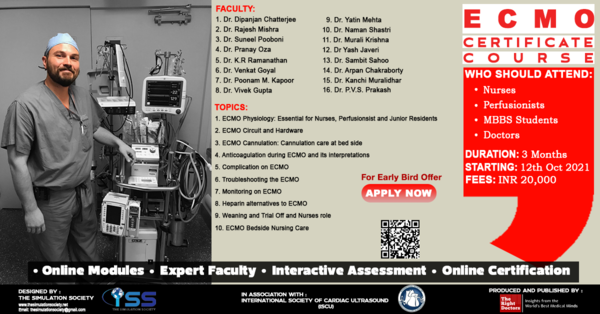
Click here to Register for ECMO course
Trending
Dr Chandrashekhar: Image Fat Depot Phenotypes | WCCKMM 2026
The Indispensable Role of SGLT2i in Heart Failure
Incorporating Imaging Refines Risk in CKM Syndrome

Putting AI to Work in Cardiovascular Care
Powered by:

Awards & Recognitions:


