
Wearable Tech and Secondary Prevention in Cryptogenic Stroke
Wearable Tech and Secondary Prevention in Cryptogenic Stroke
UPDATED: Oct 29, 2026, 8:29:24 PM
Highlights
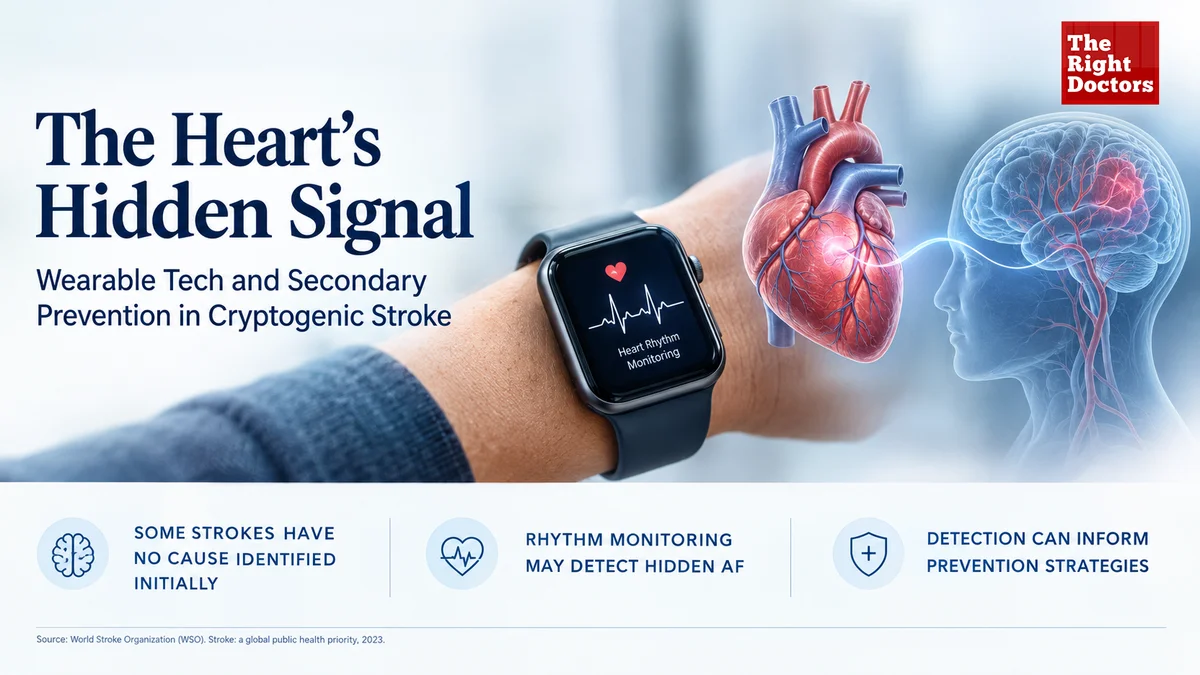
Up to 25 to 30 percent of ischemic strokes are classified as "cryptogenic," meaning their exact cause remains undetermined after standard diagnostic workups. Neurologists increasingly recognize that a significant portion of these unexplained strokes are caused by undetected, paroxysmal Atrial Fibrillation (AFib)—intermittent irregular heart rhythms that cause blood clots to form in the cardiac atrium and travel to the brain.
"Care for stroke is an innovative intervention which could be tested not just for acute feasibility, but for long-term preventive effectiveness through new digital health tools," notes Professor Jeyaraj Pandian, President of the World Stroke Organization.
In 2026, the integration of consumer wearable technology and Implantable Loop Recorders (ILRs) has revolutionized secondary stroke prevention. FDA-cleared smartwatches capable of continuous ECG monitoring are alerting patients and physicians to silent AFib episodes that traditional 24-hour Holter monitors frequently miss. Once AFib is definitively detected, physicians can transition patients from standard antiplatelets (like aspirin) to Direct Oral Anticoagulants (DOACs), drastically reducing the risk of a recurrent, often fatal, cerebrovascular event.
"The devastation caused by recurrent stroke deaths and disabilities is not inevitable when we leverage continuous monitoring tools," states Professor Sheila Martins, Immediate Past President of the World Stroke Organization.
Bridging the gap between consumer technology and clinical cardiology is essential. By viewing stroke recovery as an ongoing, digitally monitored clinical commitment rather than a brief acute event, healthcare systems can intercept secondary strokes before they devastate lives.
Read More

Most Popular
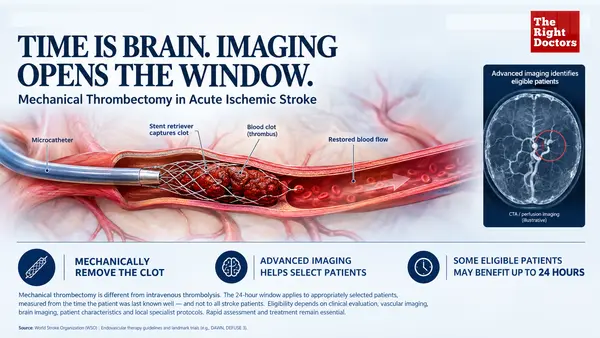
Mechanical Thrombectomy and the 24-Hour Treatment Window

Oral IL-23 Blockade and Metabolic Therapy Redefine Treatment
Dr V Mohan Outlines Precision Medicine to Subdivide Indian Diabetes
What Nobody Tells You After a Lung Cancer Diagnosis
Dr. Chandra Sekhar

Dr. Enas A. Enas: Targeted Screening Essential to Stop Early Indian CA
How Mobile Stroke Units and AI are Rewriting the Golden Hour
Restructuring Macronutrient Ratios Checks Indian Diabetes
Dr. Peter Schwarz Outlines IDF Strategies for Global Diabetes Crisis
Powered by:

Awards & Recognitions:


Comments(0)