
What Mauritius Teaches Us About Turning Back the Diabetes Curve
What Mauritius Teaches Us About Turning Back the Diabetes Curve
UPDATED: Nov 16, 2026, 3:37:57 PM
Highlights
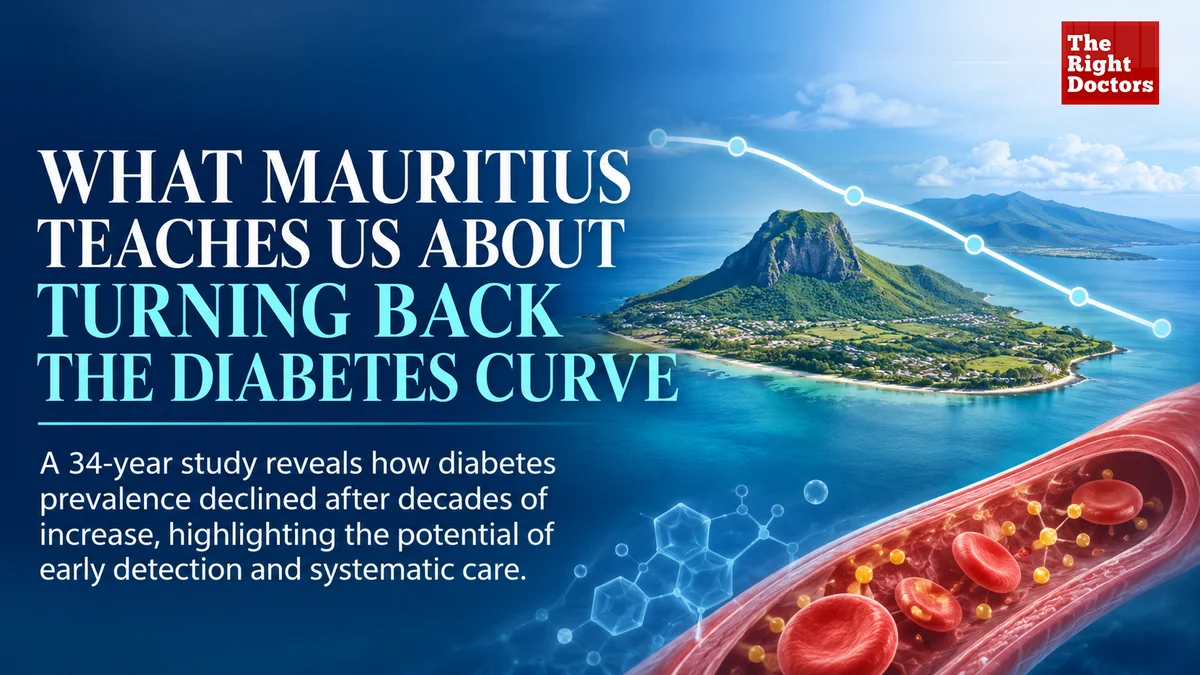
<p>After decades of rising prevalence, Mauritius has become the first country to demonstrate a sustained decline in type 2 diabetes (T2D). A 34-year OGTT-based study published in<em> The Lancet Diabetes & Endocrinology </em>examines what early detection and systematic care can achieve, and what India can learn from this experience.</p>
On World Diabetes Day, much of the conversation focuses on the rising global burden of diabetes. This study, however, highlights a country where the trend has begun to reverse.
The study analysed seven population surveys conducted between 1987 and 2021 in a multi-ethnic population, of which 68% was South Asian. Importantly, the researchers used oral glucose tolerance testing (OGTT) in every survey, allowing more consistent comparisons across the years.
T2D prevalence increased from 14.7% in 1987 to a peak of 23.3% in 2009, before declining to 19.9% in 2021.
Intermediate hyperglycaemia also declined, from a peak of 24.9% to 15.6%.
The proportion of diabetes cases that were newly diagnosed fell from 67.0% to 32.5%, suggesting that a greater proportion of cases were being identified earlier.
<p><strong>Why OGTT Matters</strong></p>
Unlike fasting glucose or HbA1c alone, OGTT can identify certain cases of diabetes and intermediate hyperglycaemia that these tests may miss. This raises an important question for diabetes screening and diagnostic practices in India.
The researchers highlight a systematic approach involving legislation, policy measures and community collaboration as important elements of Mauritius' experience. However, the study does not establish that any single intervention directly caused the decline.
<p><strong>Relevance to India</strong></p>
The findings are particularly relevant to India. An IDF survey found that only 14% of at-risk Indians believed they were likely to develop diabetes, highlighting a major awareness gap.
Early detection depends not only on accessible screening but also on people recognising their risk and understanding the importance of timely diagnosis.
<p><strong>Study Limitations</strong></p>
The study used a repeated cross-sectional design rather than following the same individuals over time. Mauritius also has a different healthcare system and is a relatively small island nation. Differences between surveys may influence comparisons across the study period.
<p><strong>The Takeaway</strong></p>
Diabetes prevalence can decline, but achieving this requires consistent surveillance, systematic healthcare approaches and a system capable of identifying people early.
Mauritius offers an important example for India: reversing the diabetes trend begins with recognising risk, improving early detection and sustaining action at the population level.
Read More


Most Popular

The Twins Who Made Medical History — And the Nobel That Followed

Dr. Enas A. Enas: Targeted Screening Essential to Stop Early Indian CA

Wearable Tech and Secondary Prevention in Cryptogenic Stroke

Oral IL-23 Blockade and Metabolic Therapy Redefine Treatment
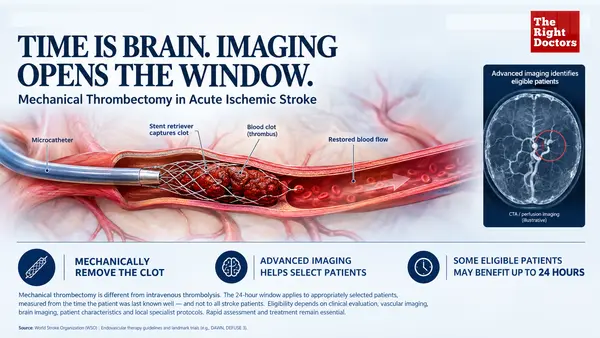
Mechanical Thrombectomy and the 24-Hour Treatment Window

7 FDA Lung Cancer Approvals in 24 Months Every Doctor Should Know
Dr. Chandra Sekhar
What Nobody Tells You After a Lung Cancer Diagnosis
Dr. Chandra Sekhar

Dr V Mohan Outlines Precision Medicine to Subdivide Indian Diabetes
Powered by:

Awards & Recognitions:


Comments(0)